Understanding the Purpose of a Final Grade Calculator
A final grade calculator is a simple yet powerful tool designed to help students estimate their overall academic performance before final results are officially announced. Instead of manually calculating weighted scores from assignments, quizzes, midterms, and final exams, students can input their grades into the calculator and instantly see their expected final percentage or letter grade. This not only saves time but also reduces the chances of human error in complex calculations.
In modern education systems where grading often depends on multiple components, keeping track of every score manually can become confusing. A final grade calculator simplifies this process by organizing all marks into a structured format and automatically applying the correct weightage.
How a Final Grade Calculator Works
The working principle of a final grade calculator is based on weighted averages. Each academic task—such as homework, projects, tests, and exams—usually carries a different percentage of the final grade. For example, homework might be 20%, midterms 30%, and final exams 50%.
The calculator multiplies each score by its assigned weight, then adds all the results together to produce a final number. This gives students a clear idea of where they stand academically.
For instance, if a student scores:
- Homework: 85% (20% weight)
- Midterm: 75% (30% weight)
- Final Exam: 80% (50% weight)
The calculator processes these values and outputs a final grade, helping the student understand their overall performance without manual effort.
Steps to Use a Final Grade Calculator Effectively
Using a final grade calculator is straightforward, but accuracy depends on correct input. Here are the basic steps:
First, gather all your graded components. This includes assignments, quizzes, exams, and any extra credit work. Next, identify the weightage of each component, which is usually provided in the course syllabus.
Then, enter each score along with its corresponding weight into the calculator. Some advanced calculators also allow you to predict what score you need on your final exam to achieve a desired grade.
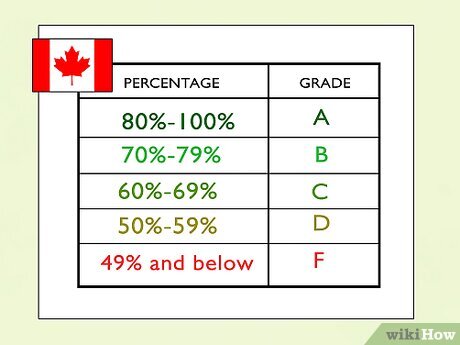
Finally, review the result carefully. Many calculators also show grade boundaries, helping you understand whether your performance falls into categories like A, B, C, or lower.
Benefits of Using a Final Grade Calculator
One of the biggest advantages of using a final grade calculator is academic planning. Students can track their progress throughout the semester and adjust their study strategies accordingly. If the calculator shows a low projected grade, it signals the need for improvement in upcoming assessments.
Another benefit is reduced stress. Instead of waiting until the end of the term to know your standing, you can monitor your progress in real time. This helps in building confidence and reducing exam anxiety.
Additionally, it improves decision-making. For example, if a student knows they need at least 90% on the final exam to secure an A grade, they can prioritize their study time more effectively.
Common Mistakes Students Should Avoid
While using a final grade calculator is easy, certain mistakes can lead to incorrect results. One common issue is entering wrong weight percentages. Even a small error in weight distribution can significantly affect the final outcome.
Another mistake is ignoring extra credit or bonus marks, which can positively influence the final grade. Students should also ensure they are using the correct grading scale provided by their institution.
Final Thoughts
A final grade calculator is an essential academic tool that helps students stay informed and in control of their performance. By providing quick and accurate results, it eliminates guesswork and supports better study planning. Whether you are a high school student or in college, using this tool can make a significant difference in how you manage your academic goals. With proper use, it becomes easier to track progress, reduce stress, and aim for better grades throughout the semester.